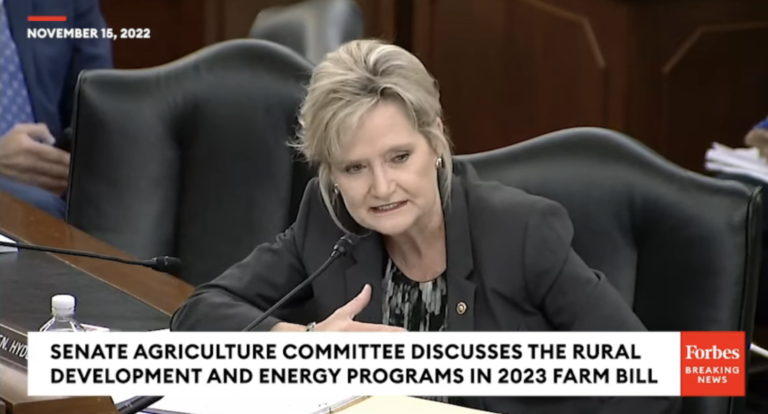
During a Senate Agriculture Committee hearing earlier this month, Sen. Cindy Hyde-Smith (R-MS) questioned witnesses about the 2023 Farm Bill.
Ron DeSantis Declines to Criticize Trump in Response to Recent Taunts
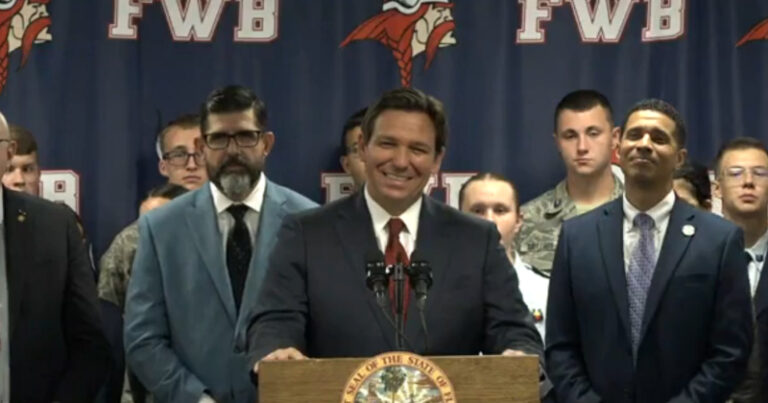
Hours before former President Donald Trump is expected to announce his third U.S. Presidential campaign, Florida Governor Ron DeSantis rejected a chance to directly respond to Trump’s recent attacks on DeSantis’ rise to national popularity, with Trump claiming that DeSantis wouldn’t have won his first election without Trump calling down special agents from the FBI to discard fraudulent votes for then Democratic Gubernatorial candidate Andrew Gillum.
At a press conference earlier this morning, a reporter asked DeSantis what he thought about recent “less than flattering remarks from President Trump.” DeSantis responded without naming Trump or criticizing Trump, and instead replied by offering his overall mindset to criticism that is inherent in his role as a governor.
“Well, you know, one of the things I’ve learned like, learned in this job is when you’re doing when you’re leading, when you’re getting things done, yeah, you take incoming fire,” DeSantis said. “That’s just the nature of it. I roll out of bed in the morning and I’ve got corporate media outlets that have a spasm, for just the fact that I’m getting up in the morning and it’s constantly attacking. This is just what’s happens. I don’t think any governor got attacked more particularly by corporate media than me over my four-year term..And yet I think what you learn is all that’s just noise and really what matters is, are you leading? Are you getting in front of issues? Are you delivering results for people? And are you standing up for folks? And if you do that, then none of that stuff matters And that’s what we’ve done, we focused on results and leadership.”
DeSantis went on to point out the state’s overwhelming shift to the right in last week’s election, and he said much of the shift even in the congressional level could be attributed to overall satisfaction with the party across the Sunshine State. At the time of this publication, Trump has yet to comment on DeSantis’ remarks, but Trump is also busy planning for a speech tonight that is most likely going to be his announcement that he is running in the 2024 Presidential Election.
2024 Democrats in North Carolina May Benefit from Population Growth in Charlotte, Durham and Raleigh
Republican Ted Budd will be North Carolina’s next U.S. Senator, but state Democrats have new reasons to view their chances in 2024 with more optimism, thanks to an influx of new residents flocking to the state’s largest cities, Durham, Raleigh and Charlotte.
In recent report from the Kenan Institute known as the “American Growth Project”, released on Tuesday, the Research Triangle, which includes the Raleigh and Durham area, is the fourth fastest-growing area of the United States.
“The region ranks particularly high due to its importance in the biotechnology and bio-manufacturing sectors, according to a statement from the Kenan Institute shared with WRAL TechWire.”
The same report ranked Charlotte as the eighth-fastest growing city in the United States. For the past several decades and in the 2022 Midterm election, Democrats have relied on heavy turnout from young voters and minorities residing throughout the metro areas of the largest cities.
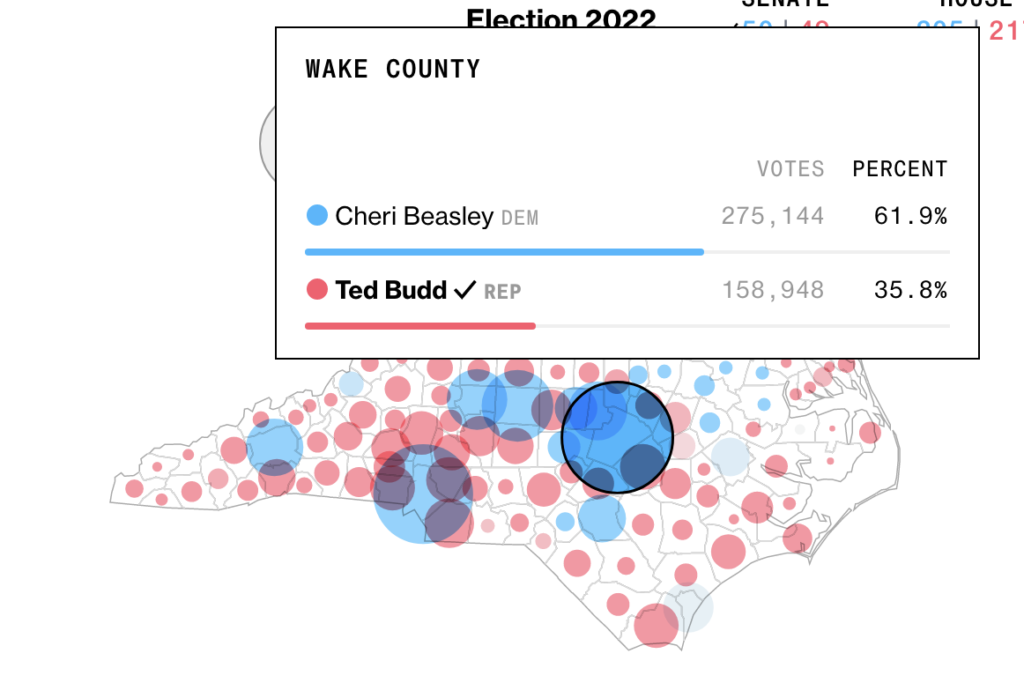
Final tallies are still being registered, but as of the most recent reporting, the states where Democratic candidate Cheri Beasley received the largest proportion of votes were in:
Mecklenburg County (Home of Charlotte): Beasley (D) won by 32.5% and got 234,363 votes.
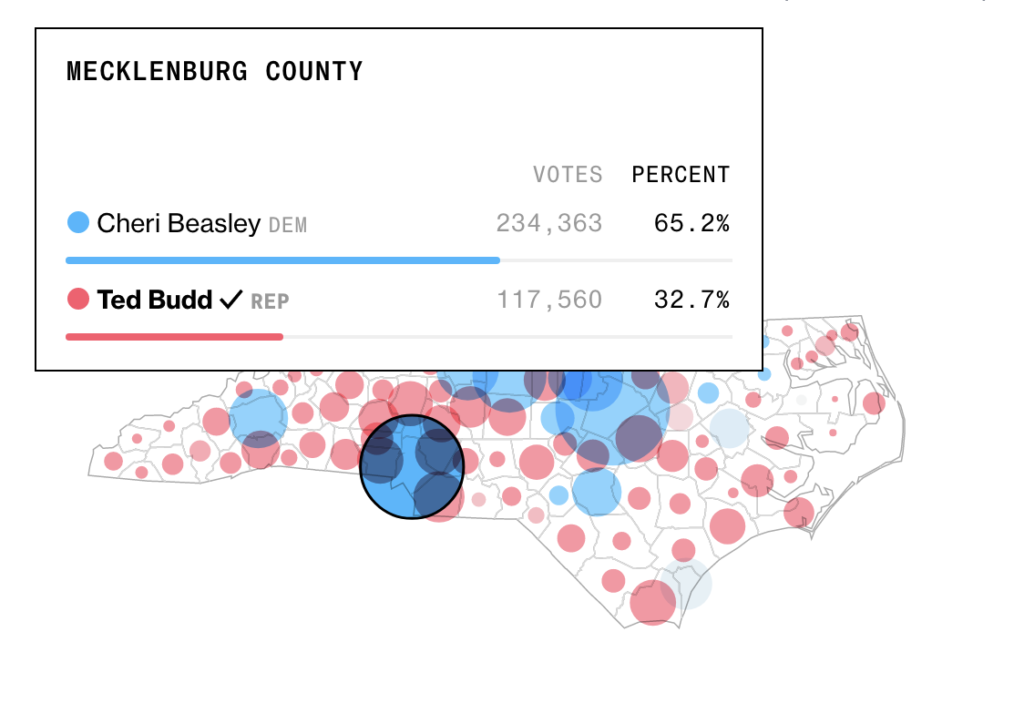
Wake County (Home of Raleigh and Durham): Beasley won by 26.1, and got 275, 144 votes.
RELATED: Republican Voter-Dominant Counties in North Carolina
New Podcast Episode: Trump vs. DeSantis – Round 1

Listen via Spotify
Listen on Apple Podcasts

Listen Here
It didn’t take long for Donald Trump to attack the latest threat to his
2024 presidential campaign. Within hours of Ron DeSantis’ record-breaking re-election in Florida, Trump was downplaying the feat and taking as much credit as possible for the win.
While DeSantis was soaking in the warmth of the national media spotlight, Trump was the target of criticism of conservatives across the board.
The vast majority of candidates who Trump endorsed were already on pace to win their election. Conversely, candidates who suffered the worst loss margins or underperformances even in victory were the candidates who made Trump’s policies and personal support an integral part of their campaign platform.
Following Trump’s criticism of DeSantis, many conservatives voiced their desire to turn the page from Trump, and move on to DeSantis, including columnists such as Ann Coulter and respected conservative publications such as National Review, The Hill, and more.
Even Trump’s former press secretary, Kayleigh Mcaneny said Trump should postpone his 2024 candidacy announcement until the Georgia runoff ends on December 6th.
DeSantis can proudly point to his present policies as his future plan meanwhile Trump is stuck on complaining about the 2020 election being stolen.
Money always plays a huge role in elections DeSantis best chance for success is to build a coalition of support from other likely contenders who may opt not to run including Nikki Haley and Tim Scott.
If you recall the 2016 Republican primary Trump faced a large field which divided the competition and enabled him to win winner take all states with less than 50% support. Voters may have already forgotten this key fact: In 2016, it wasn’t until many other competitors dropped out of the race when we saw Trump saying serious competition from the remaining two contenders Ted Cruz and John Kasich.
If the GOP primary starts and ends with DeSantis as trumps only challenger, Trump won’t be able to deflect toward other candidates and will benefit from a fractured opposition vote as he did en route to his nomination in 2016.
In some ways, Trump versus DeSantis could resemble the intense battle between Hillary Clinton and Obama in the 2008 Democratic Primary. Clinton was the overwhelming favorite and American’s already knew her backstory, which wasn’t as charming as her opponent. Trump is a known commodity with a support base that has virtually no room for growth conversely DeSantis is a rising star with plenty of blue ocean to expand his base of support.
DeSantis is in a position where he can focus strictly on touting his positives on the other hand Trump is forced into a position where he must go negative on DeSantis rather than focusing on himself.
Ron DeSantis, Not Trump, Offers the Best Path to the Future Republican Party
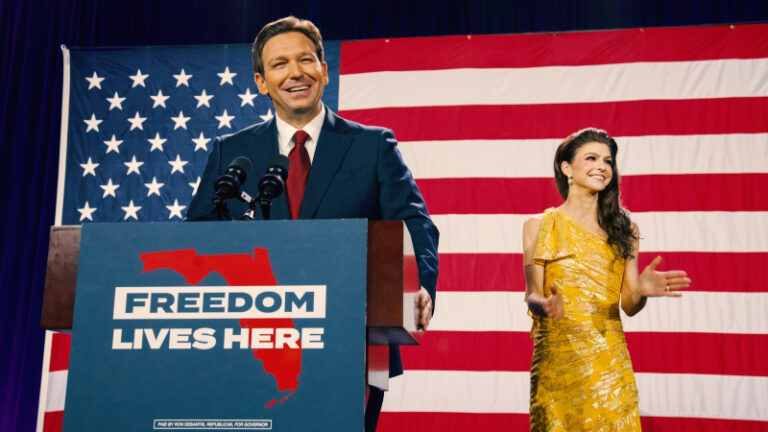
Donald Trump has good reason to fear a potential challenge from Ron Desantis. Republican Party leaders are attempting dissuade Trump for a 2024 candidacy announcement slated for next week, and others are hoping the results elevate DeSantis, thanks to the governor’s truly outstanding night. Proving to be a positive outlier for the GOP, DeSantis not only surpassed expectations, but conquered territory once thought hopeless for the party, including major metro areas including the former liberal safe haven that was Miami-Dade.
While Georgia and Nevada finish tallying their votes, Florida was decided since the first hour after polls closed on Election Night. Nobody can deny that Trump’s reign as kingmaker of the Republican Party has come to a grinding halt. What should have been a red wave dissolved into steady seas, and the GOP failed to capitalize on a weakened Democratic Party, thanks to underachieving, gaffe-prone candidates who were endorsed by Trump in Republican primary elections. As the GOP has discovered, the conspiracy-minded, 2020 election result-denying candidates failed to appeal much further beyond the extreme Trump loyalist wing.
Rather than showing any evidence of renewed hope to dominate swing states necessary for a 2024 victory in 2022, Trump’s failed to attract support with record-high inflation dogging President Biden and the Democratic Party in power.
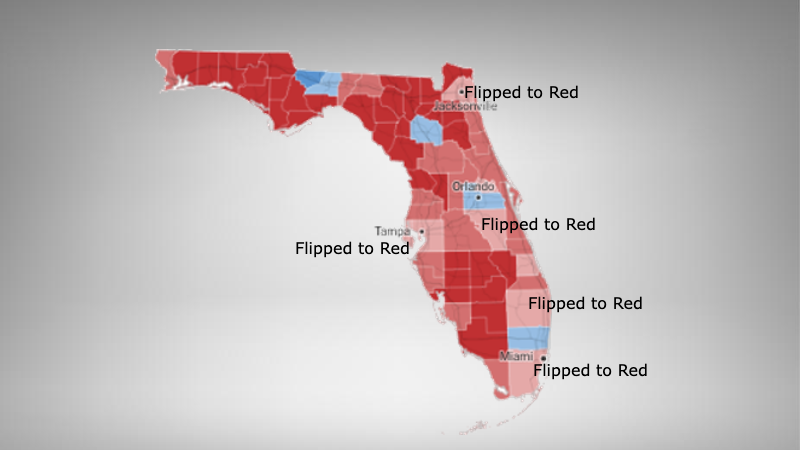
FLORIDA COUNTIES THAT RON DESANTIS FLIPPED TO RED IN 2022:
As Walker limped to a likely runoff in Georgia, Trump’s potential 2024 Republican rival one state south was winning formerly deep blue territory including Hillsborough County (Tampa), Duval County (Jacksonville), and even Miami-Dade County, which hasn’t been won by a Republican Presidential candidate since George H.W. Bush walloped Mike Dukakis in 1988. See the map below featuring the counties DeSantis flipped from Democratic to Republican in 2022.
Republican Voter-Dominant Counties in North Carolina
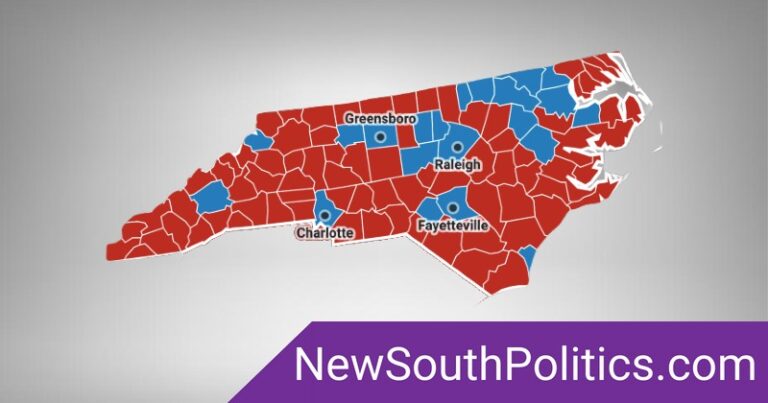
In the open U.S. Senate seat race between Republican Ted Budd and Democrat Cheri Beasley, Budd has averaged lead of approximately five percent, but to defeat Beasley, he will need high voter turnout in North Carolina’s most Republican-dominated counties. Those counties are listed and analyzed, below.
Randolph County, North Carolina: Republicans have 34,034 more voters than Democrats. Ted Budd Defeated Cheri Beasley by 59.6, (78.8% to 19.2%)
Randolph County has approximately 96,034 registered voters for the 2022 Midterm Election. The Republican Party has 49,905 registered voters in Randolph, compared to 15,871 registered Democratic Party voters, and 29,657 unaffiliated voters.
Demographics of Randolph County, North Carolina:
Race:
- 76% of residents are white, compared to the state average of 61%
- 4% of residents are black, compared to the state average of 20%
- 13% of residents are hispanic, compared to the state average of 10%.
- 1% of residents are asian, compared to the state average of 3%
Education:
- 85% of residents are high school graduates, compared to 89% for the entire state.
- 16% of residents are college graduates, compared to 34% for the entire state.
Income:
- Median income in Randolph County is $$27,740, compared to $$35,254 for the entire state.
- 13.6% of residents live at the poverty level, compared to 13% for the entire state.
Union County, North Carolina: Republicans have 29,068 more voters than Democrats. Ted Budd Defeated Cheri Beasley by 28.8, (63.4% to 34.6%)
Union County has 170,037 registered voters for the 2022 Midterm Election. The Republican Party has 68,335 registered voters, compared to 39,267 registered Democratic Party voters, and 61,338 unaffiliated voters.
Demographics of Union County, North Carolina:
Race:
- 69% of residents are white, compared to the state average of 61%
- 11% of residents are black, compared to the state average of 20%
- 12% of residents are hispanic, compared to the state average of 10%.
- 4% of residents are asian, compared to the state average of 3%
Education:
- 90.2% of residents are high school graduates, compared to 89% for the entire state.
- 39.5% of residents are college graduates, compared to 34% for the entire state.
Income:
- Median income in Union County, North Carolina is $40,957, compared to $$35,254 for the entire state.
- 7.4% of residents live at the poverty level, compared to 13% for the entire state.
Iredell County, North Carolina: Republicans have 27,751 more voters than Democrats. Ted Budd Defeated Cheri Beasley by 36.6 (67.2% to 30.6%)
Iredell County has135,160 registered voters for the 2022 Midterm Election. , the Republican Party has 55,751 registered voters, compared to 28,000 registered Democratic Party voters, and 50,526 voters.
Demographics of Iredel County, :
Race:
- 73% of residents are white, compared to the state average of 61%
- 9% of residents are black, compared to the state average of 20%
- 9% of residents are hispanic, compared to the state average of 10%.
- 2% of residents are asian, compared to the state average of 3%
Education:
- 91.6% are high school graduates, compared to 89% for the entire state..
- 33.2% of residents are college graduates, compared to 34% for the entire state.
Income:
- Median income in Iredel County, North Carolina is $37,209 , compared to $$35,254 for the entire state.
- 9.3% of residents live at the poverty level, compared to 13% for the entire state.
- In North Carolina, the Republican Party has 2,222,180 registered voters, compared to 2,496,817 registered Democratic Party Voters, giving Democrats a significant lead of 274,637 voters, (or, put another way, 3.7 percent more voters)
- North Carolina’s 2,635,189 voters with no party affiliation, (major or minor), account for 35 percent of the overall vote in North Carolina, making them the a larger bloc in the state.
- Registered Democratic Party voters in North Carolina account for 33.7percent of all registered voters in the state.
- Registered Republican Party voters in North Carolina account for 30 percent of all registered voters in the state.
- The minor party with the highest percentage of registered voters in North Carolina is the Libertarian Party, with 50,154 registered voters, accounting for only 0.6 percent of all registered voters in the state. Libertarianism is based on fiscal conservatism and social liberalism, which means neither of the two major parties can count on Libertarian support in 2022, with abortion as a higher issue than past election cycles.
Predictions on the 2022 Midterm in Florida, Georgia and North Carolina
There has been a lot of talk about a red wave but I think there will be at least one swing state where democrats may fend off feisty challengers.
In Florida, I think Marco Rubio will benefit from Ron DeSantis’ popularity. A rising tide lifts all boats, and I predict that DeSantis will come close to a double-digit win over hapless Charlie Crist, with Rubio performing a few percentage points lower, beating Val Demings by a margin between four to six percent.
In Georgia, Brian Kemp, another popular governor in the south, should defeat Stacey Abrams by 5 to 7 percent. While Kemp will undoubtedly help Herschel Walker elevate his vote tally, I can’t picture Walker or incumbent Democrat Raphael Warnock winning the needed majority of voters to avoid a Senate runoff election. For the record, Georgia is one of only two states that holds runoffs from General Elections that don’t reach a majority. The other state: Louisiana. You can read more about Louisiana’s potential Senate-control shifting election on December 10th, HERE.
Finally, in North Carolina, the Tar Heel state, Republican Ted Budd has led nearly every poll during the past two months vs Democratic candidate Cheri Beasley, but all of his margins have been just a hair above the margin of error. This race could go either way, but with the general momentum favoring Republicans in the final stretch, I predict a two-point margin of victory for Budd, moving him up from his congressional seat to the senate chamber. Independent voters in rural and suburban counties will make the difference
Independent Voters in North Carolina May Decide Budd vs. Beasley Senate Race
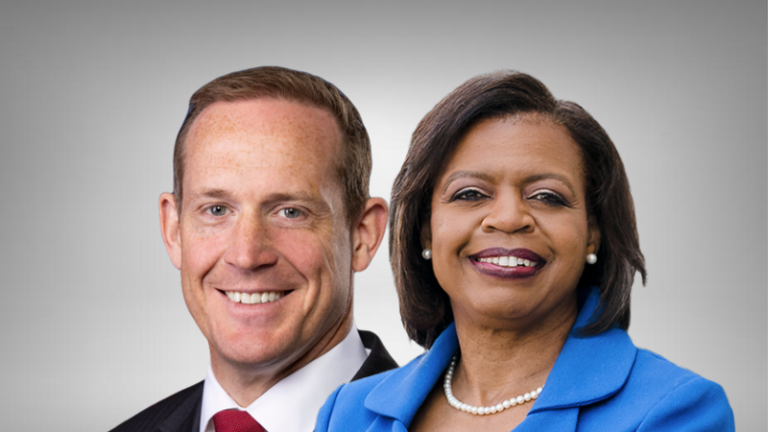
North Carolina’s contentious race for U.S. Senate may come down to the wire, but with Election Day less than a week away, Democratic candidate Cheri Beasley has trailed Republican Tedd Budd in each of the past four polls factored into Real Clear Politic’s Average, also known as the RCP Average. The most recent poll results published for the came on Oct. 20 from a Marist Poll. Among the poll’s respondents who said they are definitely voting in the 2022 midterm, Budd lead Beasley 49 – 45 percent, nearly matching his RCP average lead.
Since Budd’s lead is just outside the margin of error in most polls, North Carolina’s open senate seat may ultimately be decided by undecided independent voters.
RCP AVERAGE FOR TED BUDD VS CHERI BEASLEY
Budd currently has a 4.5 percent lead over Beasley in the RCP average. What’s more impressive is the fact that Budd led each poll taken during the month of October.
UNDECIDED VOTERS IN NORTH CAROLINA SENATE RACE:
Among all of the southeastern US, North Carolina is among three states with the highest amount of undecided voters for senate candidates.
PERCENTAGE OF NORTH CAROLINA VOTERS UNDECIDED IN BUDD VS BEASLEY SENATE RACE MOST RECENT POLLS
- 2 PERCENT UNDECIDED IN EMERSON COLLEGE POLL. Budd leads Beasley by 5 percent in the same poll, 51 to 46.
- 5 PERCENT UNDECIDED IN MARIST POLL. Budd leads Beasley by 4 percent in the same poll, 49 to 45.
- 5 PERCENT UNDECIDED IN EASTERN CAROLINA UNIVERSITY POLL. Budd leads Beasley by 6 percent in the same poll, 50 to 44.
- 13 PERCENT UNDECIDED IN WRAL TV – SURVEY USA POLL. Budd leads Beasley by 1 percent in the same poll, 43 to 42.
In North Carolina, the Republican Party has 2,222,180 registered voters, compared to 2,496,817 registered Democratic Party Voters, giving Democrats a significant lead of 274,637 voters, (or, put another way, 3.7 percent more voters)
North Carolina’s 2,635,189 voters with no party affiliation, (major or minor), account for 35 percent of the overall vote in North Carolina, making them the a larger bloc in the state.
Registered Democratic Party voters in North Carolina account for 33.7percent of all registered voters in the state.
Registered Republican Party voters in North Carolina account for 30 percent of all registered voters in the state.
The minor party with the highest percentage of registered voters in North Carolina is the Libertarian Party, with 50,154 registered voters, accounting for only 0.6 percent of all registered voters in the state. Libertarianism is based on fiscal conservatism and social liberalism, which means neither of the two major parties can count on Libertarian support in 2022, with abortion as a higher issue than past election cycles.
In North Carolina’s 2018 midterm election, 53 percent of all registered voters turned out to vote, including 55 percent of registered Democratic Party voters, 58 percent of registered Republicans, and 46 percent of unaffiliated voters voted. Earlier this week, the Charlotte Observer reported that early voting is outpacing 2018. Therefore, if voter turnout in North Carolina’s 2022 Midterm Election matches or beats the 2018 turnout figures, here’s what we can expect for 2022 Midterm ballot counts:
At least 1,212,186 ballots cast out of 2,635,189 voters registered as unaffiliated with any party.
At least 1,288,864 ballots cast out of 2,222,180 registered Republican voters.
At least 1,373,249 ballots cast out of 2,496,817 registered Democratic voters.
Despite three percent lower party participation in voting, Democrats still have a built-in advantage of 84,385 voters in this scenario.
If Republicans win 53% percent of 1,212,187 unaffiliated votes cast, that would give them 654,580 votes to 569,727 for Democrats, for a Republican net gain of 84, 853 votes, cancelling out the Democrats’ advantage of 84,385 more registered voters than registered Republicans.
Polls leading up to the 2022 Midterm election indicate much higher enthusiasm among Republican voters, so it’s safe to assume that Republicans will maintain a three percent edge over Democrats for overall turnout. With that conservative assumption (no pun intended) of a 3 percent higher Republican turnout in 2022, that would leave Democrats with only a 0.7% lead in turnout against Republicans and put the Senate in control of unaffiliated voters.