Home Blog Page 53

Sens. Rubio, Warner Question Mark Zuckerberg on Facebook User Data Access

0

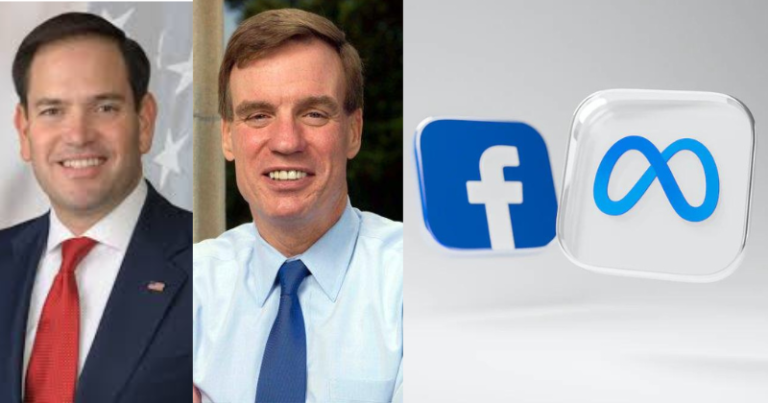
U.S. Senators Marco Rubio (R-FL) and Mark Warner (D-VA), sent a letter to Meta CEO Mark Zuckerberg, questioning the company about recently released documents revealing that Facebook knew that hundreds of thousands of developers in what it classified as “high-risk jurisdictions” including the PRC and Russia, had access to user data. According to a press release from Rubio, the documents were released as part of ongoing litigation against the company related to its lax handling of personal data after revelations regarding Cambridge Analytica. The newly available documents reveal that Facebook internally acknowledged in 2018 that this access could be used for espionage purposes.

 The full text of the letter is below.

Dear Mr. Zuckerberg: 

We write you with regard to recently unsealed documents in connection with pending litigation your company, Meta, is engaged in. It appears from these documents that Facebook has known, since at least September 2018, that hundreds of thousands of developers in countries Facebook characterized as “high-risk,” including the People’s Republic of China (PRC), had access to significant amounts of sensitive user data. As leaders of the Senate Intelligence Committee, we write today with a number of questions regarding these documents and the extent to which developers in these countries were granted access to American user data. 

In 2018, the New York Times revealed that Facebook had provided privileged access to key application programming interfaces (APIs) to Huawei, OPPO, TCL, and other devicemakers based in the PRC. Under the terms of agreements with Facebook dating back to at least 2010, these device manufacturers were permitted to access a wealth of information on Facebook’s users, including profile data, user IDs, photos, as well as contact information and even private messages. In the wake of these revelations, as well as broader revelations concerning Facebook’s lax data security policies related to third-party applications, our staffs held numerous meetings with representatives from your company, including with senior executives, to discuss who had access to this data and what controls Facebook was putting in place to protect user data in the future. 

Given those discussions, we were startled to learn recently, as a result of this ongoing litigation and discovery, that Facebook had concluded that a much wider range of foreign based developers, in addition to the PRC-based device-makers, also had access to this data. According to at least one internal document, this included nearly 90,000 separate developers in the People’s Republic of China (PRC), which is especially remarkable given that Facebook has never been permitted to operate in the PRC. The document also refers to discovery of more than 42,000 developers in Russia, and thousands of developers in other “high-risk jurisdictions,” including Iran and North Korea, that had access to this user information. 

As Facebook’s own internal materials note, those jurisdictions “may be governed by potentially risky data storage and disclosure rules or be more likely to house malicious actors,” including “states known to collect data for intelligence targeting and cyber espionage.” As the Chairman and Vice Chairman of the Senate Select Committee on Intelligence, we have grave concerns about the extent to which this access could have enabled foreign intelligence service activity, ranging from foreign malign influence to targeting and counter-intelligence activity. 

In light of these revelations, we request answers to the following questions on the findings of Facebook’s internal investigation: 

1) The unsealed document notes that Facebook conducted separate reviews on developers based in the PRC and Russia “given the risk associated with those countries.”  

  • What additional reviews were conducted on these developers?  
  • When was this additional review completed and what were the primary conclusions?  
  • What percentage of the developers located in the PRC and Russia was Facebook able to definitively identify?  
  • What communications, if any, has Facebook had with these developers since its initial identification?  
  • What criteria does Facebook use to evaluate the “risk associated with” operation in the PRC and Russia? 

2) For the developers identified as being located within the PRC and Russia, please provide a full list of the types of information to which these developers had access, as well as the timeframes associated with such access.

3) Does Facebook have comprehensive logs on the frequency with which developers from high-risk jurisdictions accessed its APIs and the forms of data accessed? 4) Please provide an estimate of the number of discrete Facebook users in the United States whose data was shared with a developer located in each country identified as a “high-risk jurisdiction” (broken out by country). 

5) The internal document indicates that Facebook would establish a framework to identify the “developers and apps determined to be most potentially risky[.]”  How did Facebook establish this rubric?  How many developers and apps based in the PRC and Russia met this threshold? How many developers and apps in other high-risk jurisdictions met this threshold? What were the specific characteristics of these developers that gave rise to this determination? Did Facebook identify any developers as too risky to safely operate with? If so, which? 

6) The internal document references your public commitment to “conduct a full audit of any app with suspicious activity.”  How does Facebook characterize “suspicious activity” and how many apps triggered this full audit process? 

7) Does Facebook have any indication that any developers’ access enabled coordinated inauthentic activity, targeting activity, or any other malign behavior by foreign governments? 

8) Does Facebook have any indication that developers’ access enabled malicious advertising or other fraudulent activity by foreign actors, as revealed in public reporting? Thank you for your prompt attention. 
Sens. Rick Scott, Tim Scott Resubmit Bill Similar to Florida’s Parental Rights in Education Act

0

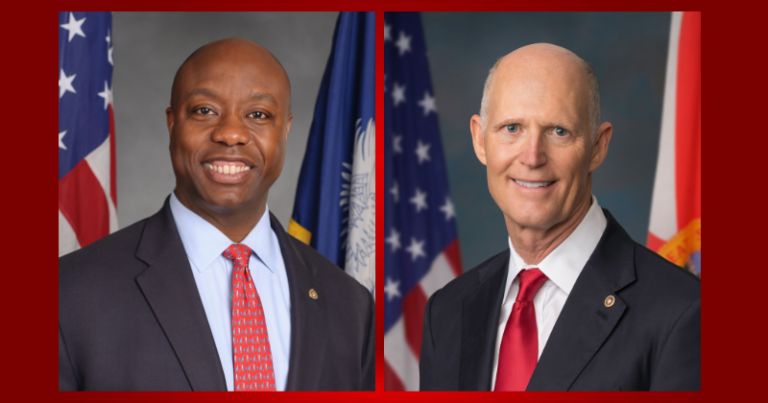
Senator Rick Scott of Florida joined fellow Republican Senator Tim Scott of South Carolina to introduce the “Parental Rights Over the Education and Care of Their Kids Act”, also known as the “PROTECT Kids Act”, to protect parental rights and prevent school administrators from concealing information about students’ gender from their parents. Co-sponsors of the bill included Senators Mike Crapo of Idaho, Lindsey Graham of South Carolina, Cindy Hyde-Smith of Mississippi and Marco Rubio of Florida.

The PROTECT Kids Act would restrict federal funding for any elementary or middle school that allows students to change their pronouns, gender markers, or sex-based accommodations, including locker rooms and bathrooms, without the consent of their parents. Representative Tim Walberg (MI-05) will be introducing the companion legislation in the U.S. House of Representatives. The bill is similar to Florida’s “Parental Rights in Education Act”, which was mislabeled by opponents as the “Don’t Say Gay Bill”, despite the fact it didn’t ban use of the word gay or homosexuality by students or teachers, but instructed kindergarten through third-grade teachers not to include formal teaching on sexual orientation and gender identity.

“I have long believed that parents, not the government, know what is best for their children,” Senator Rick Scott said in a press release. “It is time for schools to stop pushing these woke ideologies on our kids and let them focus on reading, writing and arithmetic. I am proud to stand with my colleagues in supporting the PROTECT Kids Act to stop the indoctrination and ensure parents have a say in what happens at their kids’ school.”

“Far too often, parents are pushed out of their child’s education—and kids are paying the price,” Senator Tim Scott said. “As the party of parents, Republicans are committed to ensuring that parents are always in the driver’s seat when it comes to their child’s upbringing. I am proud to stand for parental rights and put forth my PROTECT Kids Act to ensure parents remain the lead decision maker in their child’s life.”

The PROTECT Kids Act is supported by Parents Defending Education Action and Independent Women’s Voice.

Three days prior to introducing the Protect Kids Act, Tim Scott introduced the CHOICE Act, which stands for “Creating Hope and Opportunity for Individuals and Communities through Education” to expand opportunities and foster success by providing parents greater options when it comes to their child’s education.

“A quality education is the closest thing to magic in America,” Tim Scott said in an official statement. “As a kid, I attended four different schools by the time I was in fourth grade. I know firsthand the life-changing impact of a quality education, and I’ve witnessed the miracles that can happen when parents have the choice my mother never had. When parents have the choice to send their child to a school that best fits their needs, their kids have the best opportunity to succeed.”

According to a press release, the CHOICE Act Expands school choice programs by permitting states that have established programs for parents of disabled children to use public or private funds for the cost of their children attending a private school to supplement those fund with federal special education funds. It also uthorizes grants to support the design and initial implementation of state programs that allow the parents of a disabled child to choose the appropriate public or private school for their child.

Alabama Governor Announces Start of Sheriffs’ Grants for All 67 Counties

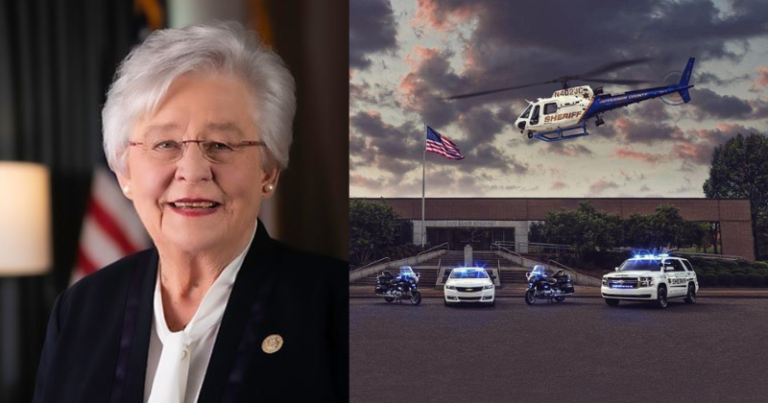
MONTGOMERY, AL – Alabama Governor Kay Ivey announced the start of the Sheriffs’ Grants for all of Alabama’s 67 counties.

According to Ivey’s press release, sheriffs’ departments in each of the state’s 67 counties will be receiving funds quarterly beginning in the first quarter of 2023. The amount of funds each county receives is based on monies that county’s sheriff’s department collected on pistol permit fees in 2022.

“A couple of core tenants of the Ivey Administration is that we back the blue in the strongest way possible and that we support upholding our citizens’ Second Amendment rights. As we have amended Alabama law to help our gun owners, we also worked to ensure our sheriffs received their critical funds, and I am proud that these grants will do that,” Governor Ivey said. “The Sheriffs’ Grants will provide them with funding for training, equipment and other needs not provided by county commissions in their annual appropriations. We are proud to support the vital work our sheriffs’ departments do on a daily basis.”

Under the Local Government Pistol Permit Revenue Loss Fund, Alabama sheriffs need to show a loss of pistol permit funds based on the 2022 figures. The Alabama Department of Economic and Community Affairs is making disbursements to the sheriff’s offices based on reports collected by other state agencies.

“ADECA intends to carry out our duties in this matter to ensure that Alabama’s sheriffs’ offices are compensated for their losses based on those shortages provided in the data,” said Director Kenneth Boswell.

ADECA administers an array of programs supporting law enforcement and traffic safety, economic development, energy conservation, water resource management and recreation development.

Mississippi Senators Challenge New Rule Finalized by Environmental Protection Agency

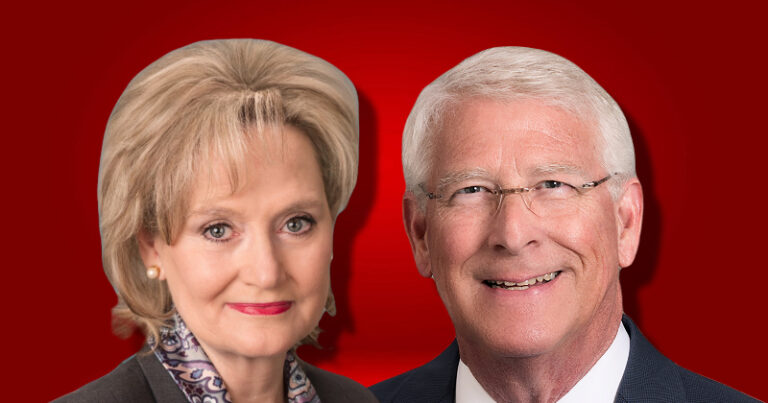
WASHINGTON, D.C. – Mississippi’s two Senators Roger Wicker (R) and Cindy Hyde-Smith (R) joined their Republican colleagues in introducing a formal challenge to the Biden administration’s Waters of the United States (WOTUS) rule through a Congressional Review Act (CRA) joint resolution of disapproval.

“This rule is yet another government overreach from the Biden Administration that threatens to halt progress on necessary infrastructure projects,” Wicker said.  “Landowners and businesses need regulatory certainty, and the President has failed to provide it.  I am glad to stand with my colleagues in this effort.” 

Hyde-Smith stressed the additional costs will ultimately be passed on to all Americans.

“The truth of the matter is that this new WOTUS rule will end up costing every American as farmers, ranchers, and industry pay to comply with vast new federal oversight and regulation.  Passage of this resolution of disapproval is crucial to stop this deviation from the intent of the Clean Water Act,” said. 

The CRA was introduced in response to a new WOTUS rule finalized by the Environmental Protection Agency (EPA) and the U.S. Army Corps of Engineers that repeals the Navigable Waters Protection Rule (NWPR) and replaces it with a new rule that will greatly expand federal authority.

Environment and Public Works Committee Ranking Member Shelley Moore Capito (R-W.Va.) introduced the CRA to overturn the Biden administration’s WOTUS rule.  In addition to Wicker and Hyde-Smith, cosponsors include Minority Leader Mitch McConnell (R-Ky.), Minority Whip John Thune (R-S.D.), John Barrasso (R-Wyo.), Joni Ernst (R-Iowa), Steve Daines (R-Mont.), Marsha Blackburn (R-Tenn.), John Boozman (R-Ark.), Mike Braun (R-Ind.), Katie Britt (R-Ala.), Ted Budd (R-N.C.), Bill Cassidy (R-La.), Susan Collins (R-Maine), John Cornyn (R-Texas), Tom Cotton (R-Ark.), Kevin Cramer (R-N.D.), Mike Crapo (R-Idaho), Ted Cruz (R-Texas), Deb Fischer (R-Neb.), Lindsey Graham (R-S.C.), Chuck Grassley (R-Iowa), Bill Hagerty (R-Tenn.), Josh Hawley (R-Mo.), John Hoeven (R-N.D.), Ron Johnson (R-Wis.), John Kennedy (R-La.), James Lankford (R-Okla.), Mike Lee (R-Utah), Cynthia Lummis (R-Wyo.), Roger Marshall (R-Kan.), Jerry Moran (R-Kan.), Markwayne Mullin (R-Okla.), Lisa Murkowski (R-Alaska), Rand Paul (R-Ky.), Pete Ricketts (R-Neb.), Jim Risch (R-Idaho), Mitt Romney (R-Utah), Mike Rounds (R-S.D.), Marco Rubio (R-Fla.), Eric Schmitt (R-Mo.), Rick Scott (R-Fla.), Tim Scott (R-S.C.), Dan Sullivan (R-Alaska), Thom Tillis (R-N.C.), Tommy Tuberville (R-Ala.), J.D. Vance (R-Ohio), and Todd Young (R-Ind.).

U.S. Representative. Sam Graves (R-Mo.), chairman of the House Transportation and Infrastructure Committee, introduced an identical CRA resolution in the House.

Congress can consider these resolutions using expedited procedures under the Congressional Review Act and can pass it by a simple majority vote.

Walt Disney World’s Reedy Creek May Get New Name & State Appointees from Governor Ron DeSantis

0

TALLAHASSEE – Walt Disney World’s Reedy Creek Improvement District, a special created by the state of Florida 55 years ago, may be renamed the Florida Tourism Oversight District and undergo an overhaul of its board appointment structure, if a new state bill is signed into law by Governor Ron DeSantis.

According to the bill, HB-9, filed by Florida State Representative Fred Hawkins, outstanding debt contracts and tax collection would not be affected, meaning that Orange and Osceola counties would not be responsible for Reedy Creek’s $1 billion debt. Other notable reforms proposed in the bill include the barring of an appointment of any person who has worked for or had a contractual relationship with a theme park within the past three years would be prohibited from serving on the new board, including rival theme parks such as Universal Studios, Sea World and Busch Gardens.

HB-9 stipulates that all five board members be appointed by the state’s sitting governor and confirmed by the Florida Senate. Initially, three members would be appointed to serve four years, and two of them to serve two years. Under current Florida law, Reedy Creek district’s landowners elect the board members. According to an Orlando Sentinel report, due to the fact that Disney owns almost all of the land in the district, Disney can handpick the board members for Reedy Creek.

According to a recent report by BloombergReedy Creek currently holds around $1 billion in debt, presenting concerns among lawmakers and residents of nearby Orange and Osceola counties surrounding the unanswered question of where the district’s debts might flow to.

HB-9 was introduced during a special session called by Governor Ron DeSantis and is currently in the State Affairs Committee, where it is expected to pass with strong support from Republican legislators on the committee.

STATE REPRESENTATIVE HAWKINS‘ BACKGROUND

Florida state representative Fred Hawkins is a Republican representing Florida State House District 35, which encompasses parts of Orange County and Osceola CountyHawkins was born in Ohio and lives in St. Cloud, Florida. Hawkins earned a B.S. in political science from the University of Akron.His career experience includes working as the president and CEO of the Osceola County Education Foundation.

Hawkins‘ service on house committees includes seats on Collective Bargaining Committee and the Education & Employment Committee.

Florida Democratic State House Rep Defends Venue That Showed Simulated Sex Acts to Children

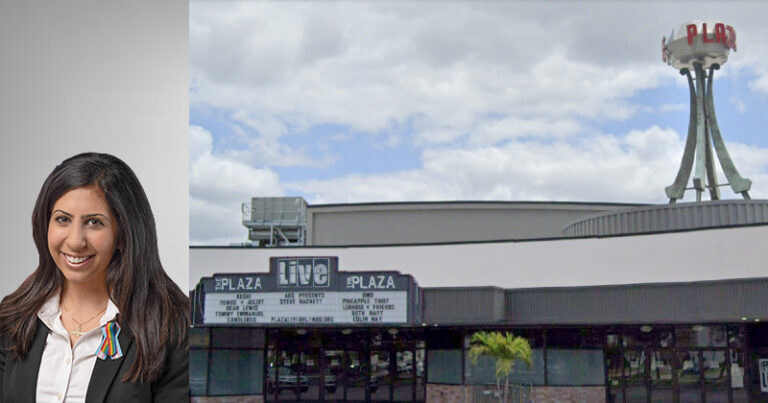
Florida state representative Anna Eskamani defended Orlando Plaza Live after Governor Ron DeSantis filed a 6-count complaint against the venue through Florida’s Department of Business and Professional Regulation, arguing that the venue had exposed children to obscene sexual acts after it was disclosed that the venue hosted a performance for children where characters simulated masturbation and other sexual acts, all with children in the viewing audience. According to a report in the Orlando Sentinel, the state has moved to revoke the liquor license of Orlando Plaza Live.

Eskamani, a state representative representing the state’s most democratic-slanted district by proportion, is known for her support of left-wing efforts including her push to give drivers licenses to illegal immigrants. She took to Twitter to vocalize her defense of the venue, where she framed the debate as first amendment rights vs. big government overreach.

“The very notion of shutting down a small business over a drag show is insane and extreme. In the United States we do not allow the government to determine what we can read, see or hear or who we can gather with,” Eskamani said. “Parents should not be asked to co-parent with Ron DeSantis and it’s clear that this continues to be selective outrage, especially since we don’t see the Governor attempting to shut down Hooters, gun shows, or rated R movies that parents bring their kids too,” Eskamani countered, commenting that “Unfortunately, these anti-LGBTQ+ attacks are nothing new. For decades, extremists have used harmful rhetoric to attack LGBTQ+ people and build their own power at the expense of others. We will not let extreme politicians drag us backward.”

According to the state, the show featured performance at the center of the show, “A Drag Queen Christmas”, which showed performers intentionally exposing performers’ prosthetic female breasts and genitalia to the audience, intentionally exposing performers’ buttocks to the audience, simulating masturbation through performers’ digitally penetrating prosthetic female genitals and graphic depictions of childbirth and/or abortion.

According to the Orlando Sentinel, in a joint statement, the Orlando Philharmonic Plaza Foundation’s board of directors said The Plaza Live has hosted drag performances for eight consecutive years and described the venue to be a “welcoming and inclusive establishment that operates in good faith and compliance with all applicable laws…That includes respecting the rights of parents to decide what content is or is not appropriate for their own children,” the statement said. “…We have just been made aware of this administrative complaint and are working with our legal team to evaluate and respond appropriately.”

West Virginia Senators Manchin, Capito Reintroduce Public Health and Border Security Act

0

Opioid deaths have devastated the Appalachian region of the United States, and West Virginia’s two U.S. Senators are asking their federal colleagues to take further action to address the crisis, including enhanced border security. Democrat Senator Joe Manchin joined Republican Senator Shelley Moore Capito, Ranking Member of the Senate Homeland Security Appropriations Subcommittee, to lead a bipartisan group of Senators in reintroducing the Public Health and Border Security Act.

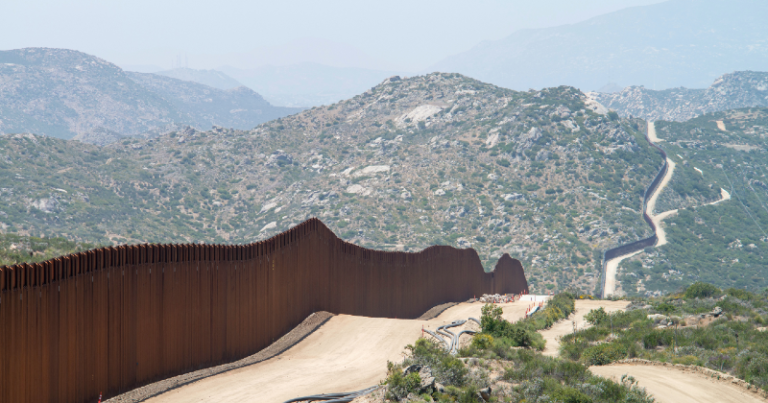
The act would require all COVID-19 related national states of emergency to be lifted before Title 42 is officially terminated. The legislation would also require the U.S. Department of Homeland Security to put in place a workable plan to manage the chaos at the border. 

In an press release, Senator Manchin stated “The immigration crisis at our southern border threatens to overwhelm our broken immigration system. I am proud to join my bipartisan colleagues in introducing this important legislation to ensure Title 42 stays in place, even if the current public health emergency ends, until the Administration develops a plan to handle the anticipated migrant surge once Title 42 is repealed. I will continue to work with my colleagues and the Administration to pass comprehensive, bipartisan immigration legislation that addresses the crisis we are facing,”

In the same press release, Capito echoed Manchin’s concerns about the problems on the country’s southern border with Mexico.

“It’s unacceptable that we are still experiencing record amounts of illegal crossings at our southern border, but I am encouraged that a bipartisan group of senators realize the path this administration is taking is dangerous and untenable,” Capito said. “I have long been outspoken regarding President Biden’s crisis on our southern border, and how his administration’s policies have made the situation worse. Ending Title 42 only adds to those challenges in a way we simply are not prepared to handle. This bill provides direction, something that is desperately needed in light of the administration’s decision to end Title 42.”

Last week, President Joe Biden announced on Monday that all COVID-19 related health emergencies will end on May 11. Title 42 Authority has been a vital tool for U.S. Customs and Border Patrol to quickly expel migrants crossing the border illegally.

On January 5, 2023, Senator Manchin released a statement on the Biden Administration’s decision to expand the CDC’s Title 42 order to include Cuba, Haiti and Nicaragua, along with other actions including surging resources to the border. 

On Dec. 19, 2022, Senators Manchin and Capito released a statement responding to the Supreme Court’s order to stay the DC District Court’s decision to overturn the CDC’s Title 42 order. Senator Manchin stated the order is critical to maintaining operational control of the border but is not a permanent solution.

On December 13, 2022, Senator Manchin led a group of bipartisan lawmakers in urging President Biden to extend the CDC’s Title 42 order, set to expire on December 21, 2022.

On April 7, 2022, Senator Manchin led a group of bipartisan lawmakers in introducing the Public Health and Border Security Act to require all COVID-19 related national states of emergency to be lifted before Title 42 is officially terminated.

 On April 1, 2022Senator Manchin released a statement responding to the Biden Administration’s decision to end the Title 42 policy. Senator Manchin stated the Title 42 is essential to combat the spread of COVID-19 and manage the influx of migrants at southern border.

On March 29, 2022, Senator Manchin called on the CDC to extend the Title 42 due to rising COVID-19 cases across the globe and record migrant encounters. 

On September 29. 2021, Senator Manchin led a bipartisan, bicameral group of lawmakers in introducing the Providing Officers with Electronic Resources (POWER) Act to provide state and local law enforcement with high-tech devices to detect and identify dangerous drugs like fentanyl, including at U.S. ports of entry.

On April 2, 2021, Senator Manchin visited and toured the U.S.-Mexico Border. Senator Manchin visited the World Trade Bridge to meet with officials from CBP and the City of Laredo to discuss cross border international trade and visited the Holding Institute to meet with migrant families and see the impact of the increase in migrant individuals released at the southern border.

New Georgia Talk Show Host Draws State’s Politicians and Power Brokers for In-Depth Discussions

0

Few Americans can imagine the magnitude of the pressure Georgia Secretary of State Brad Raffensperger from elected officials, voters and a sitting president, when Donald Trump asked him to “find the votes” to overturn Trump’s 2020 Election loss in Georgia to now President Joe Biden. When Raffensperger joined Georgia political talk show host Ben Burnett, the now nationally-known state leader explained how his political and personal life were transformed by that historical phone call, which was ultimately replayed to millions of people across the globe.

Raffensperger is just one of several prominent names known throughout the Peachtree State who has joined Burnett on the airwaves in recent months. Other guests include , Georgia Lt. Governor Burt Jones, former U.S. Senator David Perdue, Georgia Attorney General Chris Carr, former U.S. Congressman Doug Collins (A ranking member of the House Judiciary Committee who was one of Trump’s staunch defenders during the first impeachment hearings), Georgia Deputy Secretary of State Jordan Fuchs, Jared Thomas, who served as Chief of Staff and Press Secretary for then-Georgia Secretary of State Brian Kemp, and went on to co-found Garst Thomas Public Affairs and Greg Bluestein, the head political writer at the Atlanta Journal Constitution.

Burnett, who served on the Alpharetta City Council, touts himself as the “voice of suburban women.”

“Ever since I was in high school, they would ask me about my opinions,” Burnett said. “When I was an elected official, I advocated for paid FMLA and minimum wage increases. I always put kids first. I pay attention, and they pay attention to me.”

You can follow Ben Burnett’s coverage of Georgia politics on NewsBreak at original.newsbreak.com/@ben-burnett-1602520 and listen to his talk show at thepodcastpark.com/the-ben-burnett-show/