Home Blog Page 39

Tennessee Congressman John Rose Asserts that GOP Spending Bill Supports Rural Communities, Strengthens National Security and Food Supply

0

Below is a press release from Tennessee Congressman John Rose.

WASHINGTON, DC—U.S. Representative (TN-06) spoke on the House Floor Thursday in support of the spending bill that funds agriculture, rural development, the Food and Drug Administration, and other related agencies for the 2024 fiscal year.

The full remarks, as prepared for delivery, are below: 

Mister Speaker, the Fiscal Year 2024 Agriculture, Rural Development, Food and Drug Administration, and Related Agencies Appropriations bill supports our rural communities and strengthens our national security and food supply by continuing critical investments in agriculture research, rural broadband, and animal and plant health programs.

The bill also provides sufficient funds to ensure the safety of food, drugs, and medical devices, which is especially important after the Biden Administration’s failure to protect our children from the baby formula debacle last year at the FDA. And it reins in harmful regulations that dictate how poultry and livestock producers raise and market their animals.

These provisions will be sure to help those farmers and agricultural producers in my district and across Tennessee who are fed up with bureaucrats in Washington telling them how to farm and tend to their land and animals.

Missouri Congressman Blaine Luetkemeyer ‘Stop Fentanyl Money Laundering Act’ Passes House Financial Services Committee

Congressman Blaine Luetkemeyer (MO-03), Chairman of the National Security, Illicit Finance and International Financial Institutions Subcommittee released the following statement regarding passage of his legislation, the Stop Fentanyl Money Laundering Act through the House Financial Services Committee in a full committee markup.

“Fentanyl is a poison that has devastated too many communities in Missouri and across the country. Unfortunately, it is also a very profitable business for drug producers and traffickers. Mexican cartels and their Chinese suppliers make billions of dollars selling the deadly drugs in the U.S. and take advantage of our laws to launder their profits. By allowing the Treasury Department to utilize its special measure authorities to target and thwart the money laundering that facilitates fentanyl trafficking in foreign jurisdiction, the Stop Fentanyl Money Laundering Act provides the tools to end the financial incentive for the mass murder of millions of Americans,” said Luetkemeyer.

Background: Congressman Luetkemeyer introduced the Stop Fentanyl Money Laundering Act with cosponsors Congressman Andy Barr (KY-06), Congresswoman Young Kim (CA-40), and Congressman Zach Nunn (IA-03) in May of 2023.

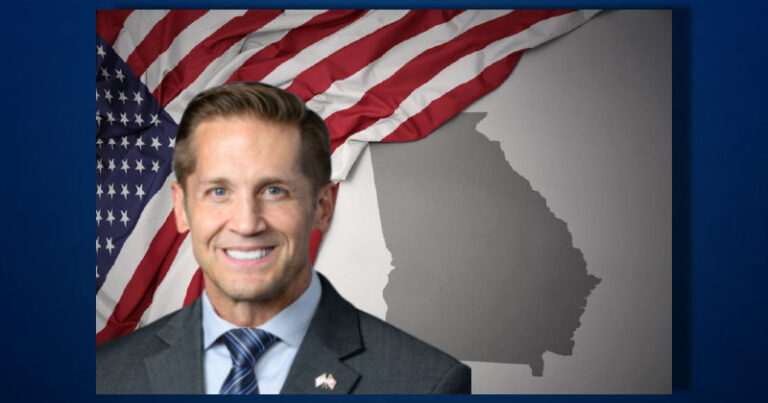
Overview of Georgia Congressman Rich McCormick (Republican)

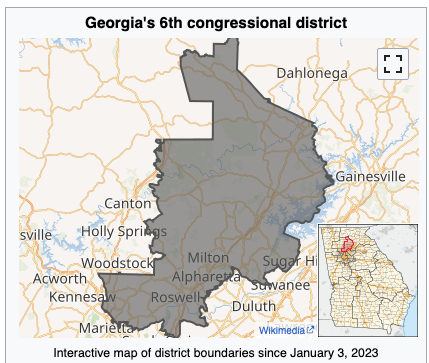
Congressman Rich McCormick is a Republican member of the U.S. House, representing Georgia’s 6th Congressional District.

McCormick assumed office on January 3, 2023.

McCormick has declared his intention to run for re-election for District 6 in 2024. To date, no other Republican has declared a primary candidacy. Two Democratic Party candidates have declared candidacies: Shelly Abraham and Brian Hopkins.

Personal Background

McCormick is an emergency physician at Northside Hospital. Rich and his wife, Debra, an oncologist, have seven children and live in Suwanee. The McCormicks are members of Cross Pointe Church. McCormick was  the runner up of Season 7 of the initial run of American Gladiators, losing in the final to Pat Csizmazia.

Educational Background

  • Graduated from Central Catholic High School in Portland, Oregon in 1986.
  • Graduated Bachelor of Science from Oregon State University in 1990.
  • Earned his Master of Business Administration from National University in 1999.
  • Earned his Doctor of Medicine at Morehouse School of Medicine in 2010.

Military Career

McCormick spent 20 years in the U.S. Marine Corps and Navy, which included service in combat zones in Africa, the Persian Gulf, and Afghanistan. As a Marine, McCormick flew helicopters and taught at Georgia Tech and Morehouse College as the Marine Officer Instructor.

In the Navy, Rich earned the rank of Commander and served as the Department Head for the Emergency Medicine Department in Kandahar, Afghanistan.

House Committees

McCormick serves on the the following U.S. House Committees and Subcommittees:

  • Committee on Foreign Affairs
  • Global Health, Global Human Rights, and International Organizations
  • Middle East, North Africa, and Central Asia
  • Committee on Science, Space, and Technology
  • Investigations and Oversight
  • Space and Aeronautics

Sponsored Legislation, Amendments, Bills, Resolutions

  •  H.R.4554 – To require a report on international assistance for Ukraine.
  •  H.R.4430 – To amend the Immigration and Nationality Act to provide for improved data privacy in the operation of the employment verification system.
  • H.R.3915 – Aviation Weather Improvement Act.
  • H.R.1775 – AUDIT Act, to require certain bureaus of the Department of State and the United States Agency for International Development to release quarterly reviews of certain grants, and for other purposes.
  •  H.Res.540 – Reaffirming the state of Arunachal Pradesh as Indian territory and condemning the People’s Republic of China’s provocations in South Asia.
  •  H.Amdt.176 – An amendment numbered 2 printed in Part B of House Report to strike “fair market value” and replace it with “salvage value,” which is defined as the value of an asset at the end of its useful life.
  • H.Amdt.126 – An amendment numbered 17 printed in House Report 118-12 to establish parents’ right to be informed of non-curriculum-based initiatives and events, and allows parents to opt-in their children to such initiatives and events.
  •  H.Amdt.125 – An amendment numbered 16 printed in House Report 118-12 to establish that parents will be granted the opportunity to address their school board regarding a complaint about a violation of parental rights.

Official Congressional Website

Visit Rep. McCormick’s official U.S. House website at mccormick.house.gov

Georgia Congressional District 6 Map

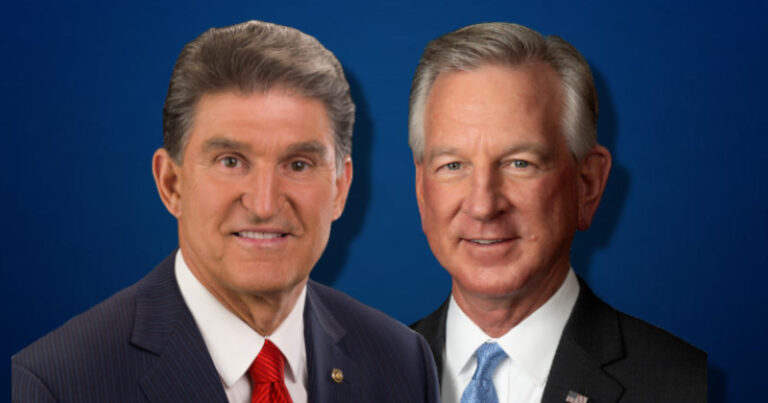
Joe Manchin, Tommy Tuberville Introduce Bill to Create a Federal Standard for Payments to College Athletes

Senators Joe Manchin (D-WV) and Tommy Tuberville (R-AL) introduced the Protecting Athletes, Schools, and Sports (PASS) Act of 2023 to protect student-athletes, maintain fair competition and compensation, strengthen transparency in financial earnings of college students via a national standard.

Since the NCAA allowed student athletes to receive compensation for name and image likeness in advertising, some college athletes have made more than six figures per season.

Tuberville, who was head coach for football teams at the University of Mississippi, Auburn University, Texas Tech University, and the University of Cincinnati, said the bill will help to prevent NIL from ending college athletics.

“Student athletes should be able to take advantage of NIL promotional activities without impacting their ability to play collegiate sports,” Sen. Tuberville said in an official statement. “But we need to ensure the integrity of our higher education system, remain focused on education, and keep the playing field level. Our legislation with Senator Manchin will set basic rules nationwide, protect our student-athletes, and keep NIL activities from ending college sports as we know it.”

The PASS Act comes two years after the U.S. Supreme Court decided National Collegiate Athletics Association v. Alston (Alston)

“As a former college athlete, I know how important sports are to gaining valuable life skills and opening doors of opportunity. However, in recent years, we have faced a rapidly evolving NIL landscape without guidelines to navigate it, which jeopardizes the health of the players and the educational mission of colleges and universities,” Sen. Manchin said. “Our bipartisan legislation strikes a balance between protecting the rights of student-athletes and maintaining the integrity of college sports. I urge my colleagues on both sides of the aisle to consider this commonsense legislation as a way to level the playing field in college athletics.”

Specifically, the PASS Act would: 

  • Protect student-athletes by:
    1. Requiring collectives and boosters to be affiliated with a college or school.
    2. Establishing a national standard for NIL.
    3. Preserving Title IX and ensuring that nothing in the PASS Act affects the rights of any student-athletes or any programs funded through Title IX.
  • Protect higher education institutions by:
    1. Ensuring that schools, conferences, and associations are not liable for their efforts to comply with the PASS Act.
    2. Prohibiting NIL agreements that involve alcohol, drugs, or conflict with existing school and conference licenses.
    3. Requiring student-athletes to ask permission to make use of existing intellectual property (IP).
  • Preserve the future of college sports by prohibiting inducements.
  • Improve transparency of NIL activities by:
    1. Requiring agents and collectives to register with a regulating body.
    2. Establishing a public-facing website to publish anonymized NIL data.
    3. Requiring all NIL contracts to be disclosed within 30 days.
  • Moderate the Transfer Portal by:
    1. Requiring student-athletes to complete their first three years of academic eligibility before allowing them to transfer without penalty, subject to a few exceptions.
  • Ensure the health and safety of student-athletes by:
    1. Guaranteeing health insurance for sports-related injuries for uninsured student-athletes for 8 years following graduation from a 4-year institution.
    2. Requiring institutions generating more than $20 million and $50 million in athletics revenue to pay out-of-pocket expenses for two and four years, respectively.  
    3. Requiring institutions to honor the original scholarship commitment made to a student-athlete.
    4. Implementing a Uniform Standard Contract for student-athlete use for NIL deals.
    5. Enhancing curriculum on financial literacy, NIL rights, and related legal and regulatory issues.
  • Strengthen enforcement and oversight by directing the NCAA to oversee and investigate NIL activities and report violations to the Federal Trade Commission.

In June 2021, the NCAA Division I Board of Directors announced an “interim” policy suspending its rules relating to NIL compensation until federal legislation is enacted or until the NCAA adopts new rules. Following this announcement, there has been a push for Congress to act swiftly to provide clarity on NIL compensation.

In 2022, Senators Manchin and Tuberville solicited feedback from athletic leaders, including university athletic directors, administrators, associations, collectives and student-athlete groups, to build consensus around this bipartisan legislation. Here’s what they are saying:

“The NCAA is transforming how it serves student-athletes by mandating Division I schools offer enhanced health, wellness and academic protections and is moving ahead to support student-athletes as they monetize their NIL rights, but there are some challenges facing college sports that only Congress can address. The NCAA is encouraged by the significant, student-athlete centric reforms included in the Protecting Athletes, Schools, and Sports Act of 2023 (“PASS Act”), introduced today in the United States Senate. This important legislation is a major step in the right direction to ensure the health and safety of student-athletes, includes key measures to increase consumer protections and transparency in the NIL market, and aims to protect women’s and Olympic sports. There is clearly growing bipartisan interest in taking legislative action to create a stable, sustainable, and equitable foundation for future generations of student-athletes and we are committed to working with all stakeholders to get this done,” said NCAA President Charlie Baker.

“We love and celebrate collegiate athletics, but the landscape has changed dramatically as schools and student athletes are now forced to navigate a patchwork of inconsistent regulations regarding Name, Image and Likeness. This is not sustainable. That is why I am so glad for Sen. Manchin’s leadership and encourage Congress to provide the necessary direction at the federal level to create a pathway for establishing a common set of ground rules related to NIL, as well setting guard rails around the transfer portal,” said West Virginia University President Gordon Gee.

“Auburn University appreciates the efforts undertaken by Senators Tommy Tuberville and Joe Manchin to create a national framework for NIL that establishes clear rules and addresses the patchwork of conflicting state laws governing collegiate athletics. We look forward to continuing to work with these offices, other members of the House and Senate, and the Southeastern Conference as this process continues,” said Auburn University President Christopher B. Roberts.

“We are appreciative to the Senators for their leadership in developing national standards aimed at protecting student-athletes and preserving the integrity of, and opportunities provided by, intercollegiate athletics.  We are grateful for their collaboration and remain optimistic about the efforts to produce effective national legislation,” said the University of Alabama President Stuart R. Bell.

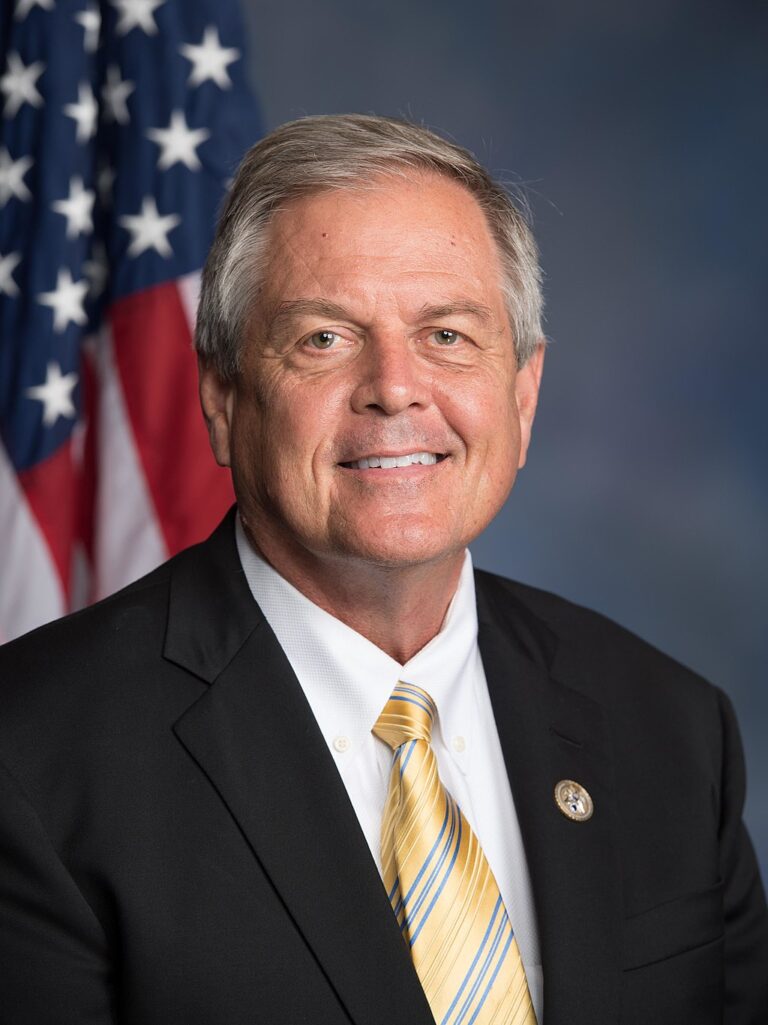
South Carolina Congressman Ralph Norman Introduces the ‘Business Over Activists Act’

Below is a press release from North Carolina Congressman Ralph Norman.

Washington, D.C. – On July 14th, Rep. Ralph Norman (SC-5) introduced H.R. 4655, the Businesses Over Activists Act, to amend the Securities Exchange Act of 1934 to prohibit the Securities and Exchange Commission (SEC) from compelling the inclusion or discussion of shareholders proposals or proxy or consent solicitation materials. It aims to limit the SEC’s authority in this area entirely and emphasizes the role of state regulations in governing shareholder proposals. 

This proposed bill revises Section 14(a) of the Securities Exchange Act of 1934 to rescind the SEC’s power to politicize corporate boardrooms through the compelled inclusion of environmental, social, and governance proposals (ESG) and policy related shareholder proposals.

Background

Currently, the SEC affirms the authority to compel the inclusion of a shareholder proposal that relates to issues of broad societal impact which encompasses and primarily applies to environmental, social, and governance proposals (ESG), regardless of the issues relation to business operations of the company.

Several industry groups, most notably the National Association of Manufacturers (NAM), have significantly criticized the SEC’s authority to politicize corporate governance through the forced inclusion of ESG proposals on shareholder ballots, arguing the “the corporate proxy ballot is not the appropriate venue for policy decisions better made by America’s elected representatives, and manufacturers are regularly caught in the middle as activists on the left and the right bring fights from the political arena into the boardroom.”

The SEC’s forced inclusion conflicts with traditionally delegated powers held by state governments over the regulation of the shareholder proposal process.

In addition to the unconstitutionality of the SEC’s actions in compelling corporate speech through the forced inclusion of shareholder proposals on proxy ballots, the SEC’s rules pose tremendous economic burdens on firms. Over the past fiscal year, ESG shareholder proposals accounted for 61% of all proposals on proxy ballots, or nearly double the amount prior to the implementation of the SEC’s rules, and the vast majority of proposals are cited to have no tangible positive impact on a company’s financial performance.

H.R. 4655 is critical to both preserving the first amendment rights of corporations and impeding economic damages stemming from the misuse of resources delegated to the management of these politicized proposals.

Statements

“ESG is an evil pollutant that must be eradicated from corporations and businesses,” said Rep. Norman in a statement on Friday. “Ultimately, this bill would solve a freedom of speech issue. The SEC should not and does not have the authority to compel companies to vote on a proposal, especially if it’s irrelevant.”  

The National Association of Manufacturers (NAM) said, “The SEC’s compelled-speech regime under Rule 14a-8 is a clear violation of manufacturers’ First Amendment rights. The NAM applauds Rep. Norman for introducing the Businesses Over Activists Act, which would prevent the SEC from forcing companies to speak on politically motivated activist proposals. Limiting the SEC’s authority to dictate the content of corporate proxy statements will prevent activists from hijacking the proxy ballot and allow manufacturers to focus on long-term growth and job creation.”

Mississippi Congressional Delegation Urges Biden to Approve Federal Disaster Declaration for Mississippi

The Mississippi congressional delegation today shared their strong support for Governor Tate Reeves’s request for a federal disaster declaration after extreme weather tore across the state in June. If approved, the disaster declaration would unlock additional federal resources to supplement state recovery efforts.

U.S. Senators Roger Wicker, R-Miss., and Cindy Hyde-Smith, R-Miss., and U.S. Representatives Bennie Thompson, D-Miss., Trent Kelly, R-Miss., Michael Guest, R-Miss., and Mike Ezell, R-Miss., sent President Biden a letter endorsing the Governor’s request for a major disaster declaration for the State of Mississippi, and for assistance for Jackson, Jasper, Claiborne, Copiah, Covington, Jefferson, Jefferson Davis, Lawrence, Leake, Neshoba, Newton, Rankin, Scott, Simpson, Smith, and Wayne counties.

“In the wake of recent extreme weather that brought severe thunderstorms and tornadoes to the State of Mississippi, we request your full consideration of Mississippi Governor Tate Reeves’s request for a federal disaster declaration,” the lawmakers wrote.

The letter follows a preliminary disaster assessment which highlights the extent of loss of life, injuries, and damage.

“Available resources from state and local governments and volunteer organizations are inadequate to meet the state’s recovery needs. Significant federal assistance and cooperation are needed for Mississippi to rebuild,” the lawmakers wrote.

See the full letter here or below.

Dear President Biden, 

In the wake of recent extreme weather that brought severe thunderstorms and tornadoes to the State of Mississippi, we request your full consideration of Mississippi Governor Tate Reeves’s request for a federal disaster declaration. 

We appreciate the efforts of the Federal Emergency Management Agency (FEMA) to help Mississippians recover in the aftermath of the severe tornadoes that struck the state in March and April, and we anticipate expeditious support from the agency in assisting state and local officials as they continue assessing the severity of damages. 

Initial damage reports indicate Mississippi experienced severe weather from June 14 through 19, 2023, including an EF-2 tornado with 130 MPH winds. As Governor Reeves requested, the Joint Public Assistance damage assessments demonstrate that at least 380 homes, businesses, and other structures were destroyed or suffered significant damage. 

This declaration includes a request for individual assistance for Jackson and Jasper Counties. Additionally, it contains a request for public assistance to assist local governments primarily with debris removal in Claiborne, Copiah, Covington, Jackson, Jasper, Jefferson, Jefferson Davis, Lawrence, Leake, Neshoba, Newton, Rankin, Scott, Simpson, Smith, and Wayne Counties. 

Available resources from state and local governments and volunteer organizations are inadequate to meet the state’s recovery needs. Significant federal assistance and cooperation are needed for Mississippi to rebuild. 

Thank you for your consideration of this request. Please do not hesitate to contact us should you need further assistance in this effort.

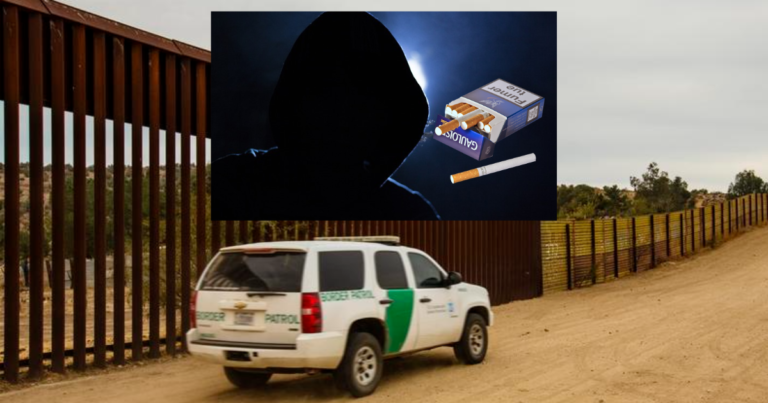
North Carolina Senator Ted Budd Warns FDA About Mexican Cartels Exploiting New Tobacco Regulations

With border security as a major concern of American voters, North Carolina Sen. Ted Budd (R) joined Sen. Bill Cassidy, M.D. (R-Lou) and co-signed by Senators Marco Rubio (R-Fla) and Bill Hagerty (R-Tenn) in a letter sent to the Food and Drug Administration. The FDA has also publicly announced plans to impose maximum nicotine levels in cigarettes, and back in In April of 2022, the FDA published a proposed rule that would prohibit menthol flavoring in cigarettes.

The letter sent by Sen. Budd and his Republican colleagues warned the FDA about unintended consequences that may arise from the Biden administration’s plans to restrict tobacco products for Americans. The senators believe that tobacco may join fentanyl in a black market where Mexican cartels to profit from smuggling drugs across the southern border.

Full text of the letter:

We write to express our concern about the impact of future rulemaking by the Food and Drug Administration (FDA) on black market sales of tobacco products. FDA is planning new rules to prohibit the sale of menthol cigarettes and institute a maximum nicotine level on tobacco products. We are concerned that Mexican transnational criminal organizations (TCOs), and other criminal elements, could seek to exploit black market opportunities that such policies could create. If FDA moves forward with such policies, it must take steps to mitigate this risk.

Mexican TCOs pose a grave threat to American national security and public health. The Drug Enforcement Administration (DEA) labeled these organizations “the greatest criminal drug threat the United States has ever faced.” TCOs control most of the U.S. drug market, and are responsible for trafficking the illegal drugs, including marijuana, heroin and fentanyl, that drove the record number of drug overdose deaths in the U.S. in 2022.

While the primary threat from Mexican TCOs come from trafficking in illicit drugs, these

organizations have diversified their activities in response to changing conditions. As it has become easier to sell marijuana products in the U.S., Mexican TCOs have prioritized trafficking fentanyl and other synthetic drugs that are cheaper to manufacture, easier to transport, and generate more profit. But Mexican TCOs are also using other activities, both legal and illegal, to fund their lethal operations. These organizations have engaged in extensive human trafficking with an estimated 70% of trafficking victims in the United States coming from Mexico. Human trafficking is estimated to provide $13 billion a year in revenue to TCOs. TCOs are also leveraging agriculture for additional revenue streams. For example, in February 2022, the U.S. Department of Agriculture (USDA) temporarily suspended Mexican imports of avocados into the United States due to threats against American safety inspectors in Mexico. Similarly, the price of limes increased 90% between December 2020-2021 due in part to expanded cartel activity in lime production.

More specifically, these TCOs have expanded their operations to include the production and distribution of cigarettes. Last month, we sent a letter to the Department of the Treasury requesting they take action against Tobacco International Holdings (TIH), a Switzerland-based business with alleged ties to the Cártel de Jalisco Nueva Generación (CJNG), a major Mexican TCO. TIH has taken advantage of a growing illegal cigarette market in Mexico, where approximately 19% of cigarettes are illegally produced. TIH has also been accused of using violence and coercion to sell their products to merchants. TCOs more generally have taken advantage of drug smuggling routes to import illegal cigarettes into the U.S., contributing to the significant use of smuggled cigarettes.

We are concerned that potential FDA actions to prohibit the sale of popular tobacco products may expand black market opportunities for TCOs, from Mexico or otherwise, to sell illegal tobacco products in the U.S. In May 2022, FDA published a proposed rule that would prohibit menthol in cigarettes. FDA has also announced plans to implement a maximum nicotine level on all tobacco products and is expected to publish a proposed rule for such ceiling later this year. This letter takes no position on those specific rules – ensuring that tobacco products are safely regulated is a public health priority for all stakeholders.

However, FDA must examine the potential effect of such actions to empower Mexican TCOs and other criminal elements to exploit black markets for tobacco products. Law enforcement officials have raised concerns that FDA’s actions could inadvertently expand black market tobacco sales. For example, a coalition of approximately 700,000 law enforcement officers said the following about a ban on menthol in cigarettes: “It will increase multiple categories of crimes in our communities. The data is clear that illicit tobacco attracts gangs and organized crime.” Indeed, black market tobacco sales expanded in the United Kingdom after the government implemented a maximum nicotine level on tobacco products in 2017. Black market tobacco products also pose a higher health risk to consumers, as they are not subject to any regulation or inspection to ensure they meet quality standards.

Before finalizing any tobacco prohibitions and limitations, FDA should consult with agencies that fight Mexican TCOs on a daily basis. These agencies include the DEA, the Department of State, Federal Bureau of Investigation (FBI), Bureau of Alcohol, Tobacco, Firearms and Explosives (ATF), Customs and Border Protection (CBP), and Department of Homeland Security (DHS). There is significant risk that in the absence of a regulated market, Mexican TCOs will combine their existing tobacco operations with their extensive distribution networks to traffic into the United States the very products that FDA could deem illegal. These agencies possess deep understanding of TCO activities that FDA lacks, and their perspective is critical to ensure that these proposals do not create an exploding black market for tobacco products.

FDA should also outline how it plans to use its own enforcement tools to deter the sale of illegal products. While FDA has extensive authority under the Tobacco Control Act (TCA) to act against illicit products, enforcement action has been inconsistent. The Independent Expert Panel convened by the Reagan-Udall Foundation recognized that FDA “has failed to clear the market of illegal products,” and has not been transparent about “whether its policy preference is to do so.” Implementing a robust enforcement framework to deter illegal products is an important step to improve public health.

We encourage FDA to address concerns with its current enforcement approach, including in conjunction with issuing any future rules, and to work closely with other federal agencies who have a thorough understanding of TCOs when enacting and implementing policies related to tobacco products.

We thank you for your attention to this letter.”

According to a news release from Sen. Budd, Law enforcement groups, including the National Association of Police Organizations and the National Organization of Black Law Enforcement Executives, expressed serious concern that these policies would dramatically expand illicit markets for cigarettes and lead to enforcement that would unnecessarily target minority communities. 

Pew Research poll last month showed that most Americans give the federal government low ratings for how it is securing the border with Mexico.
Kentucky Congressman James Comer’s Staff To Hold Community Office Hours in Franklin County

 On Wednesday, August 9, 2023, Congressman James Comer’s (R-Ky.) District Director Sandy Simpson and Field Representative Corey Elder, will host office hours on behalf of the Congressman at the Franklin County Fiscal Courtin Frankfort, Kentucky. Staff will answer questions and assist residents with federal casework issues. 

Wednesday August 9th

10:00am – 11:30am ET

Franklin County Fiscal Court

Conference Room

321 West Main Street

Frankfort, Kentucky 40601 

For further information or assistance, please visit Congressman Comer’s website.