In American politics, “quid pro quo” isn’t a new idea — but few politicians have embodied it quite like Huey Long and Donald Trump.
Separated by nearly a century, both men used loyalty, leverage, and media to build populist movements that upended political establishments. Yet their methods — and the systems that enabled them — reveal how transactional politics has evolved from smoke-filled rooms to primetime television.
The Kingfish’s Louisiana: Power for Sale
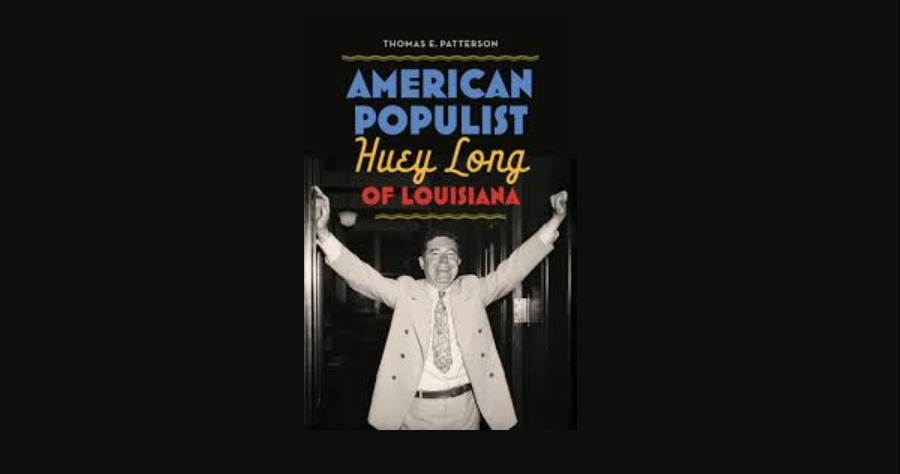
In the early 1930s, Huey Long ruled Louisiana like a political boss with a populist twist. Known as “The Kingfish,” Long promised to lift up the poor and working class, and he backed those promises with roads, bridges, hospitals, and free textbooks.
But behind the reforms was a pay-to-play empire. State contractors were expected to “donate” to his campaign fund. Public employees kicked back a portion of their paychecks to the governor’s political machine. And towns that didn’t back him often found their funding mysteriously delayed.
Huey Long’s quid pro quo politics weren’t subtle — they were institutional. Loyalty meant access; disloyalty meant isolation.
Still, for many Louisianans, the results spoke louder than the methods. Long’s building projects transformed one of the poorest states in the South, and his fiery speeches against corporate power made him a national figure. Critics called him a demagogue. Supporters called him a savior.
Either way, every deal had a price — and Huey Long was always collecting.
Trump’s Transactional Politics: Loyalty and the Art of the Deal
Donald Trump’s brand of transactional politics played out on a very different stage — the national and global arenas of the 21st century.
While Trump didn’t control state contracts or payrolls, his political style revolved around the same principle Huey Long mastered: loyalty equals power.
Inside his administration, allegiance was the key currency. Those who stayed loyal — from cabinet members to TV surrogates — were rewarded with praise, access, and visibility. Those who strayed often found themselves publicly fired or ridiculed on social media.
Trump’s “quid pro quo” wasn’t about cash or contracts; it was about commitment and narrative. He treated government the way he treated business — as a series of deals. NATO allies were told to pay more or risk losing U.S. support. Trade partners faced tariffs unless they “made better deals.” Even domestic policies, like judicial nominations, were presented as transactions with his base — promises kept in exchange for continued loyalty.
For Trump, political success was transactional, but the exchange rate was emotional: allegiance for validation.
Different Systems, Same Playbook
The biggest difference between Huey Long and Donald Trump lies in the systems they operated within.
Long controlled a state where the governor’s office could dominate every level of government. His pay-for-play politics were local, tangible, and enforceable. He could build — or break — a career with a phone call.
Trump, by contrast, operated in a federal system with checks, balances, and a hostile media environment. He couldn’t directly buy loyalty with jobs or funding, so he bought it with visibility, access, and fear of exclusion.
Where Long used patronage, Trump used social media. Where Long built physical roads, Trump built rhetorical ones — highways of loyalty connecting him directly to voters.
Both men branded themselves as populist outsiders fighting elites. Both broke political norms. Both inspired fierce devotion and fierce backlash.
But Long’s machine ran on money and favors.
Trump’s ran on media and allegiance.
The Price of Power
In the end, both Huey Long and Donald Trump reveal the enduring nature of transactional politics in America.
Long turned policy into currency, distributing state resources to loyalists. Trump turned loyalty itself into a form of currency, trading public support for access and influence.
Different tools. Different times.
Same playbook: power always comes with a price tag.